Shelf
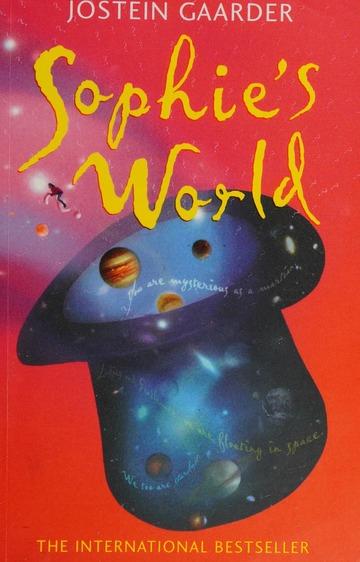
It was one of the books that I first (really) read and it blew my mind. It exposed to many different philosophies, different ways of thinking. It is by far one of my favorite books and I'm overdue on a re-read.
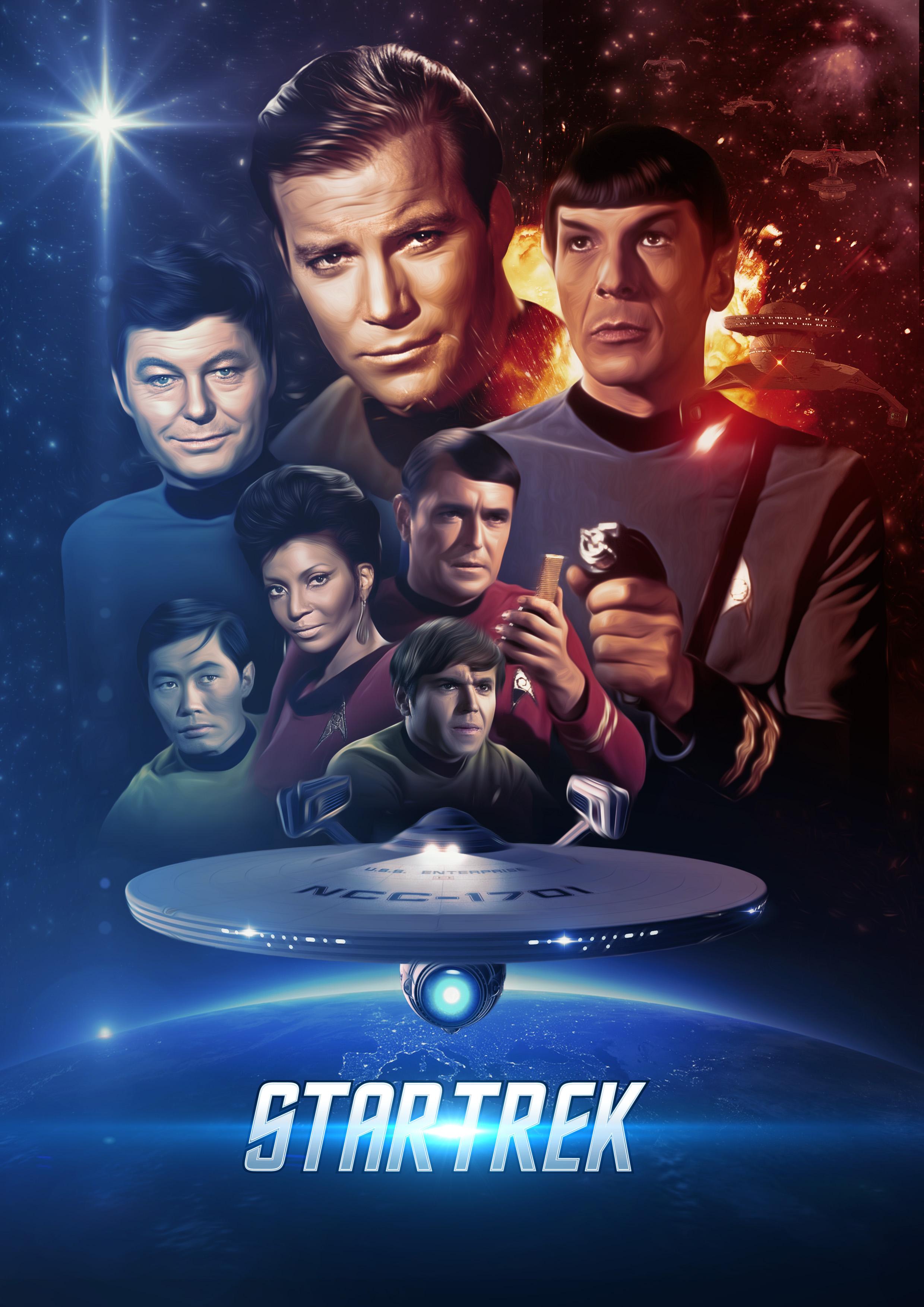
I grew up watching Star Trek with my father, and few things can shape a young mind in the same way. It opened the door to space exploration, the fascination with the unknown, and a strong sense of techno-optimism.
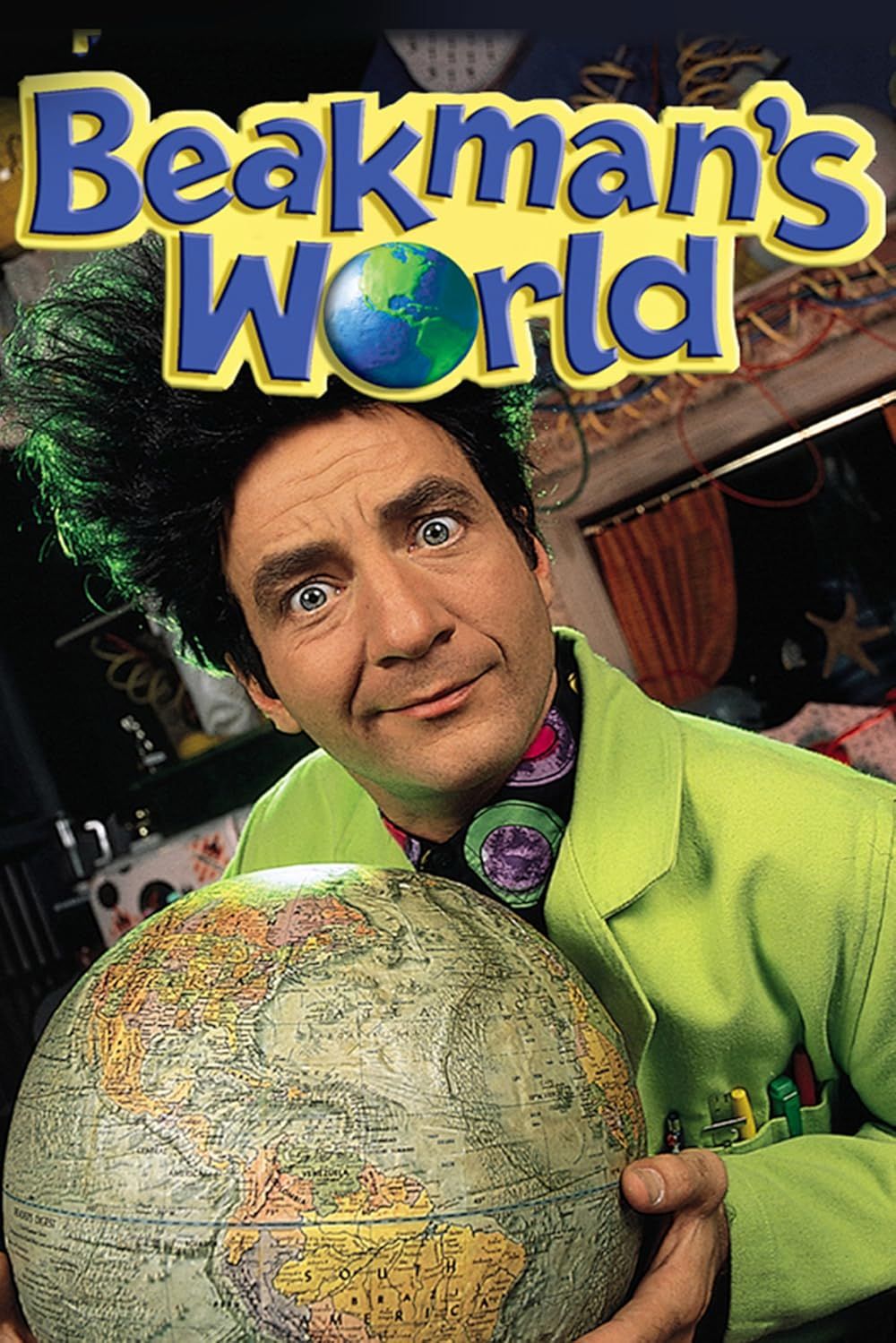
I watched this show very early as a small kid, and all the crazy experiments, the messy lab, and the exaggerated explanations of everyday phenomena made a huge impression on me. It was chaotic, funny, and at the same time very educational, in a way that made science feel playful and alive instead of distant or boring like something from a textbook. I’m sure it planted an early seed of curiosity and helped shape this idea that understanding how things work can actually be genuinely fun (and it’s ok to be messy and chaotic sometimes).
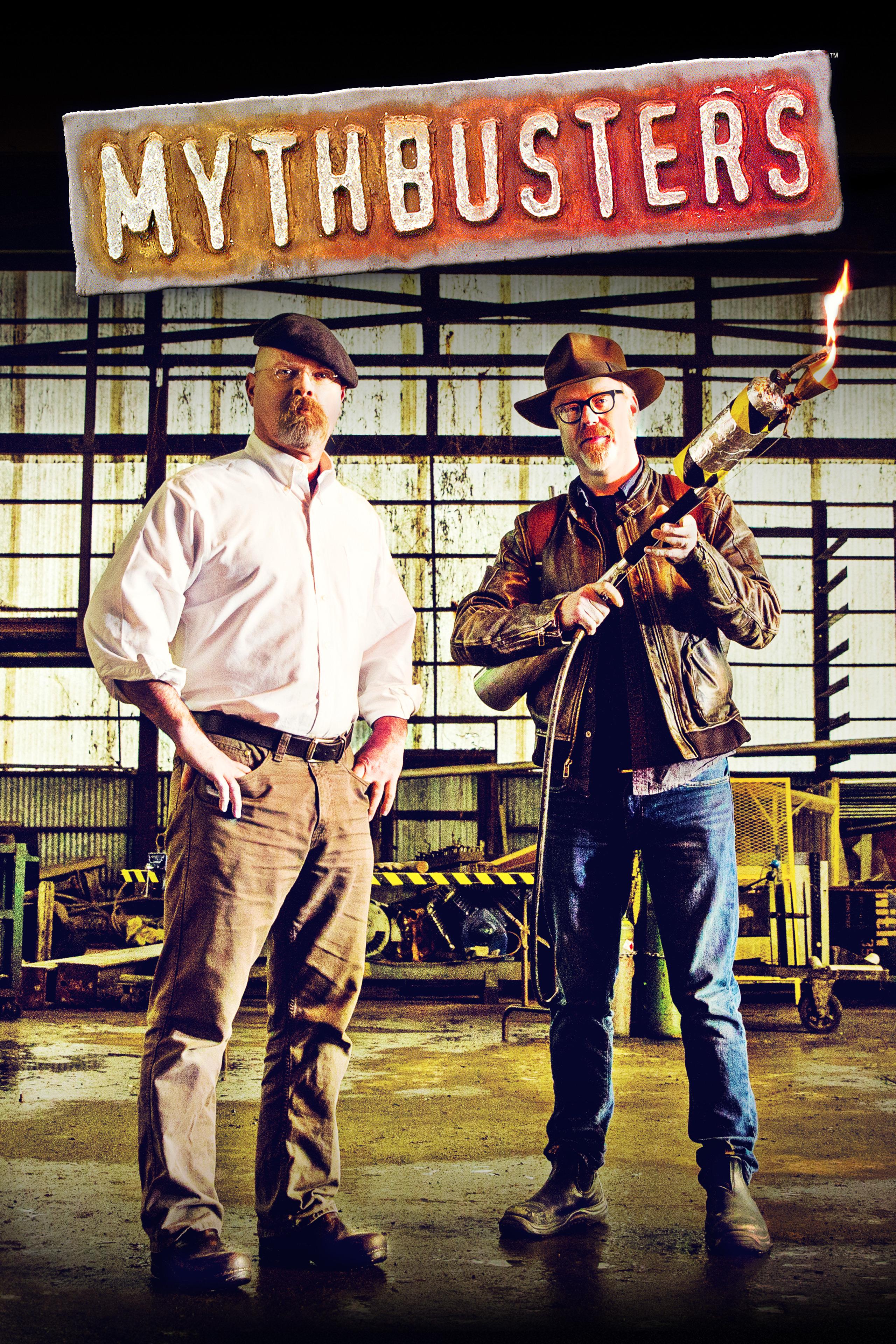
I started watching this in my early teens, usually with my father. While Beakman’s World gave me the first taste for science, MythBusters strengthened the engineering side much more. I loved the hacky, practical solutions and the way they discussed how to actually test an idea, forming hypotheses and figuring things out step by step. It gave me an early intuition of what real-world engineering could feel like. In the end, it connects to one of the things I still enjoy the most today: gathering around a whiteboard with others and thinking through how to solve a hard problem.
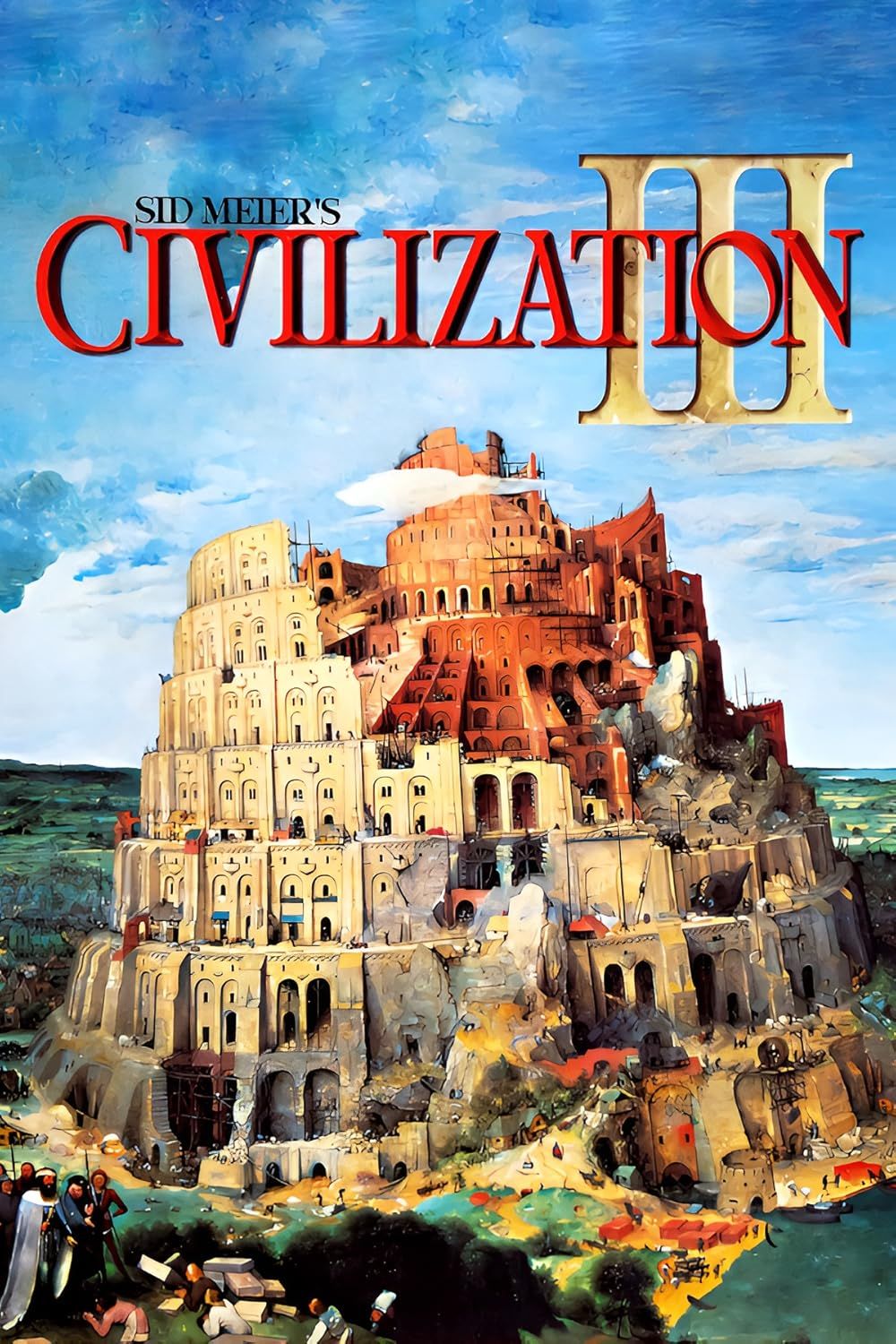
Long, strategic play that shaped my love for systems and history.
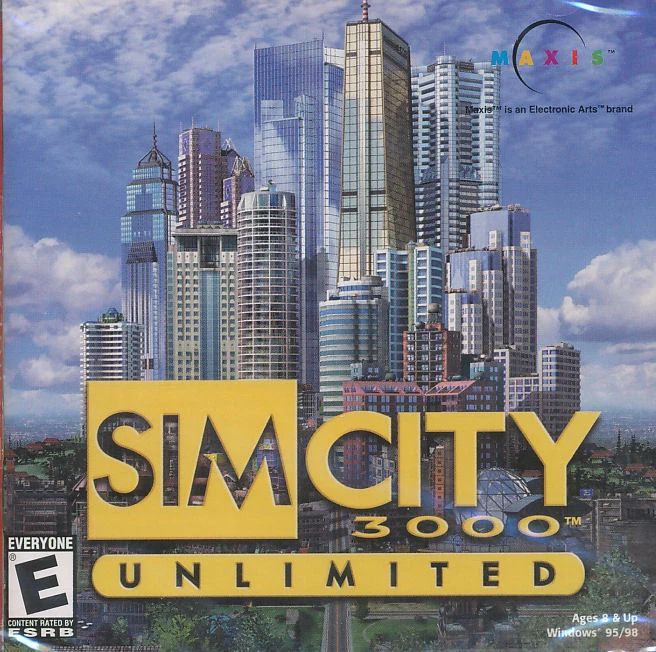
SimCity let me tinker with budgets, roads, and growth, showing how every choice ripples through a city.
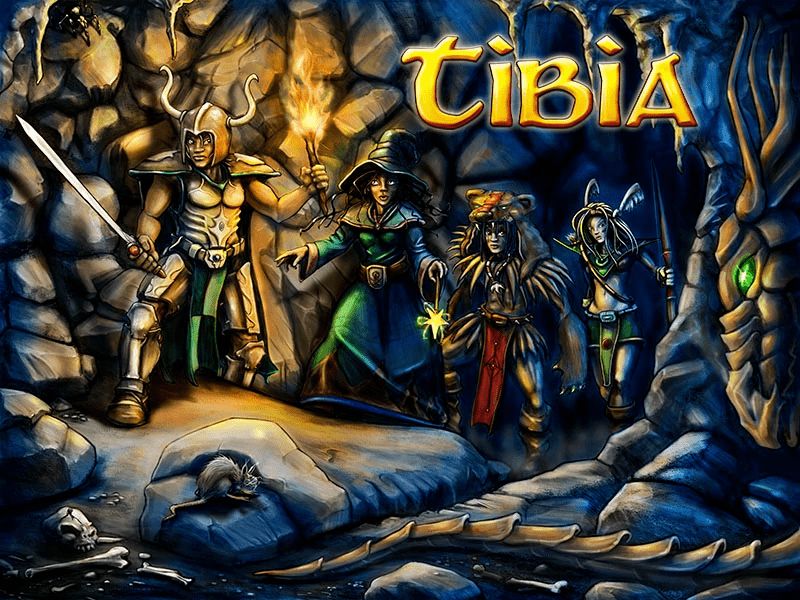
The adrenaline of those 'high stakes' quests, the time with friends, running away from PKs, the training time.
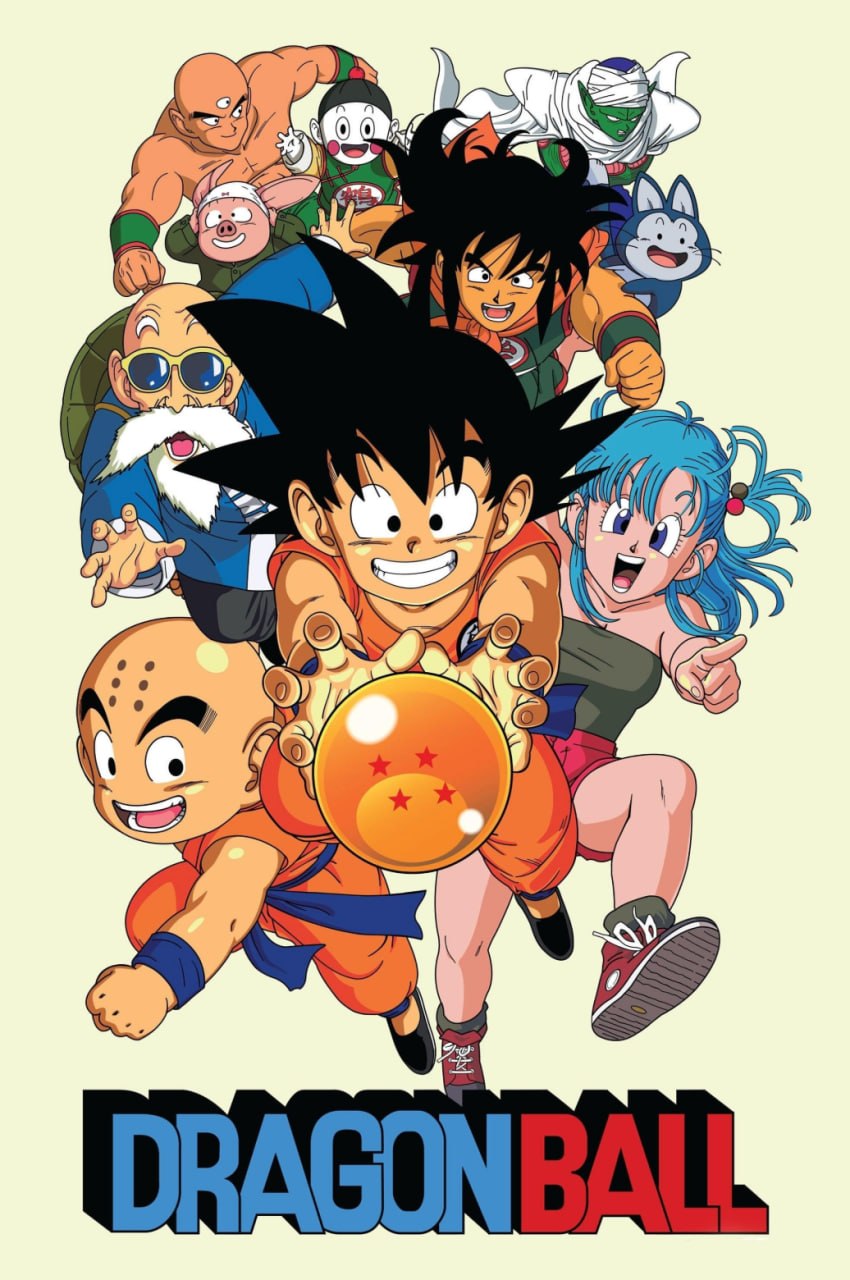
The high-energy adventures, rivalries, and friendships made Dragon Ball a lasting favorite.
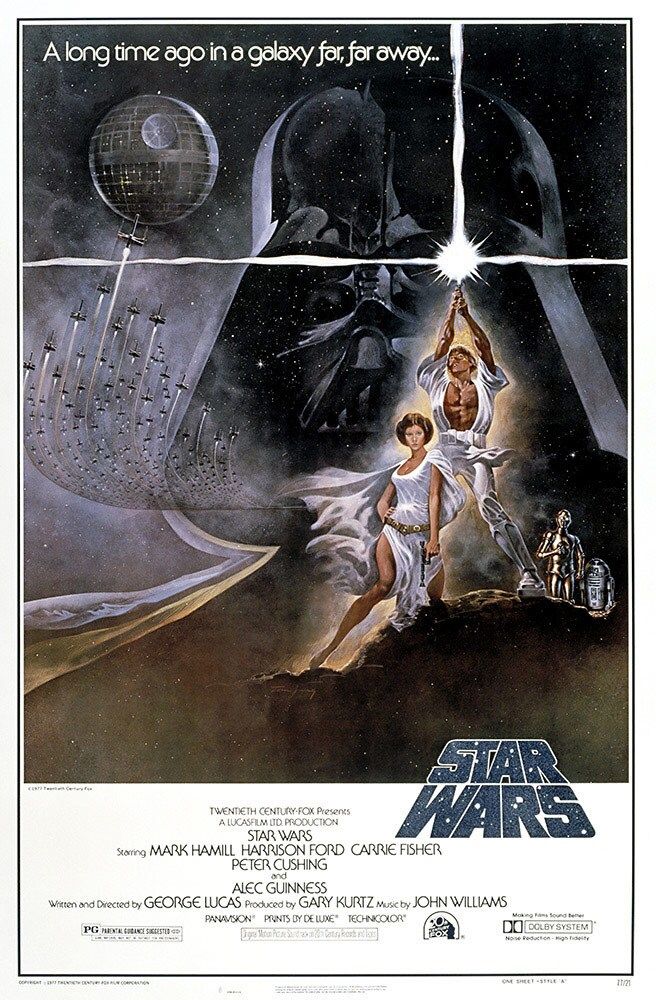
A timeless space opera franchise.